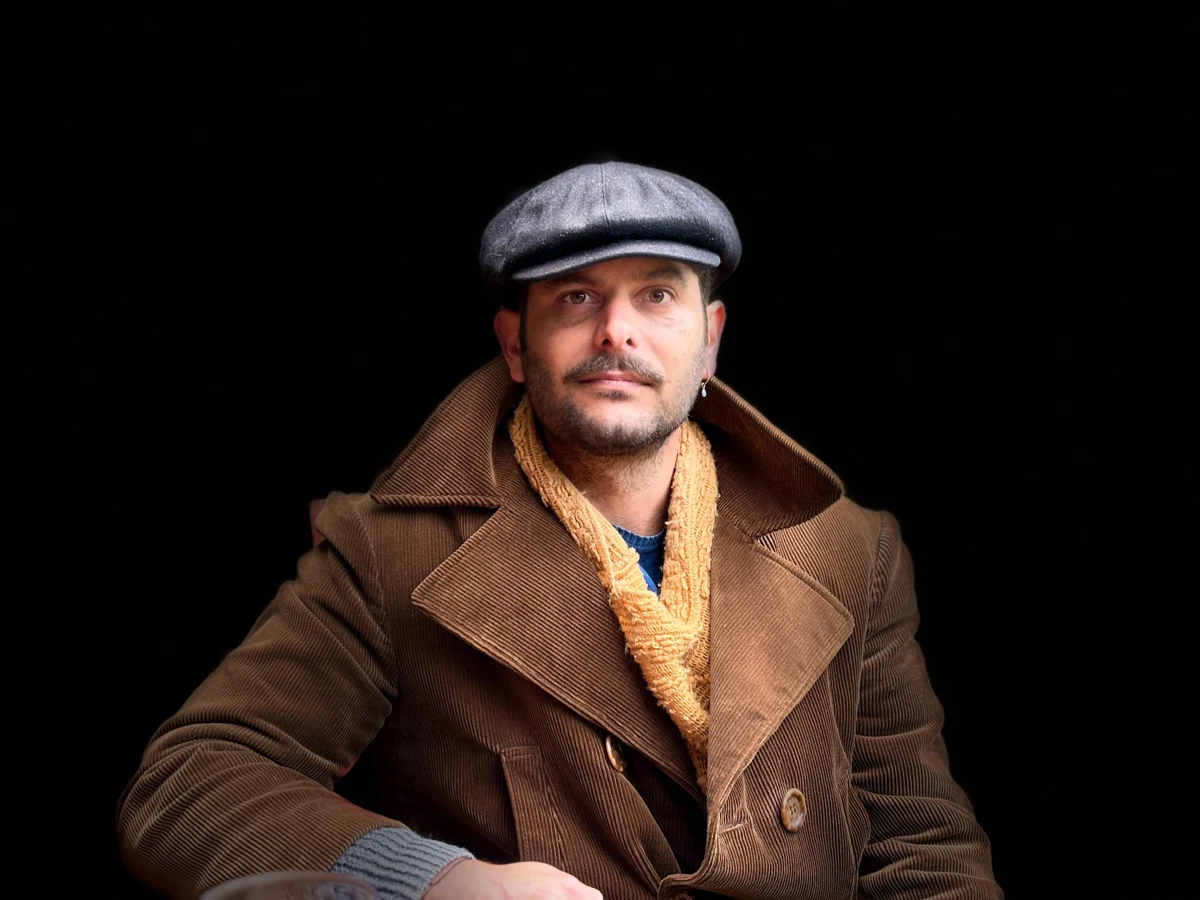
Pedro Giuliano centres his practice on artificial intelligence and real-time image creation. He uses these processes as artistic tools to compose visual worlds in relation to bodies, music and space. Quijotes en Nueva York is a central work in this trajectory, alongside his AI and real-time work on Invernaderos.[1][4][6]
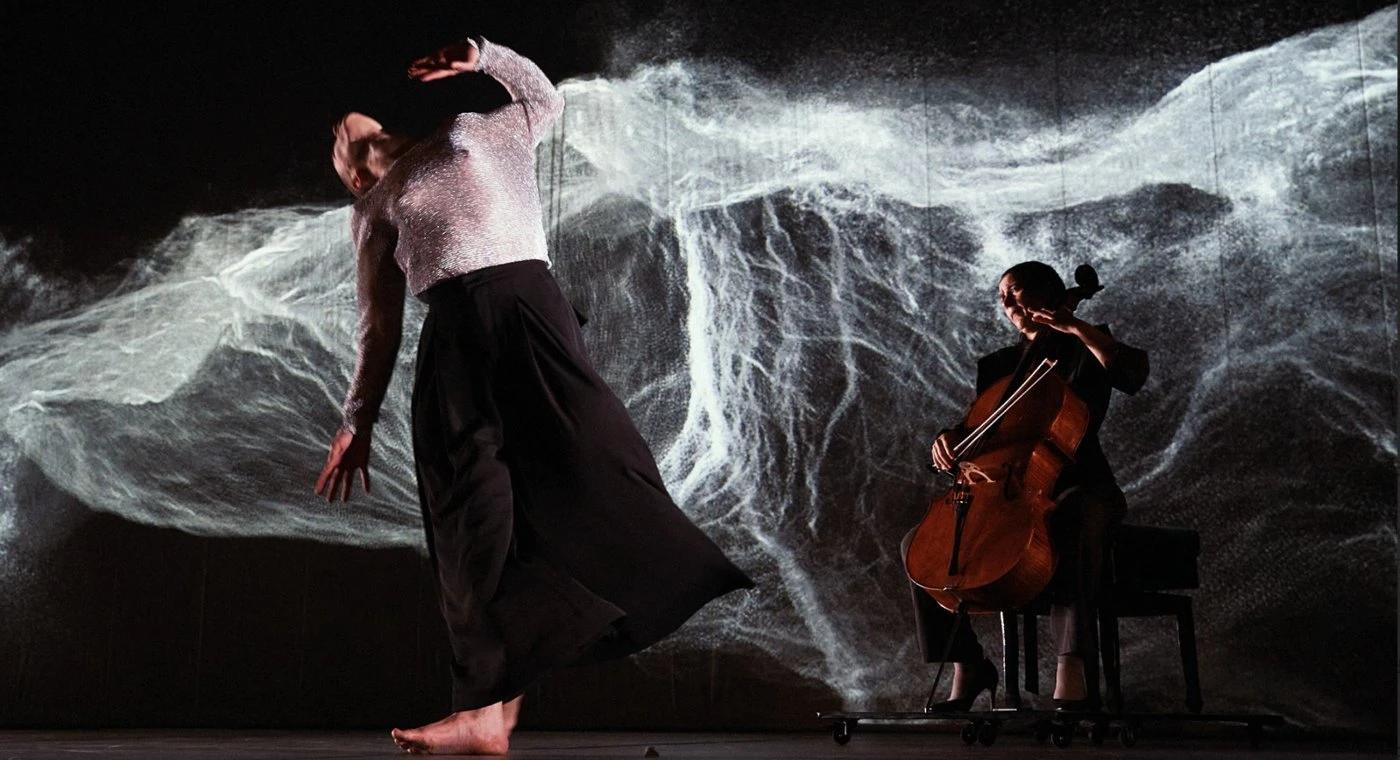
For Quijotes en Nueva York, created by Jean-Philippe Dury for Elephant in the Black Box, he is the visual artist and develops imagery through artificial intelligence and real-time creative processes. His contribution forms part of Madrid Produce’s audiovisual and immersive design. The 2024 production brings together contemporary dance, urban forms and original music by Iris Azquinezer, with images entering into dialogue with movement.[1]
The premiere at Madrid’s Institut français attracted the attention of susyQ. In her review of 14 December 2024, Yaiza López examines the relationship between the dancers, Azquinezer’s score and Giuliano’s visual world. Her reading offers a way into his contribution: images enter the stage’s conversation and change with it.[2][3]
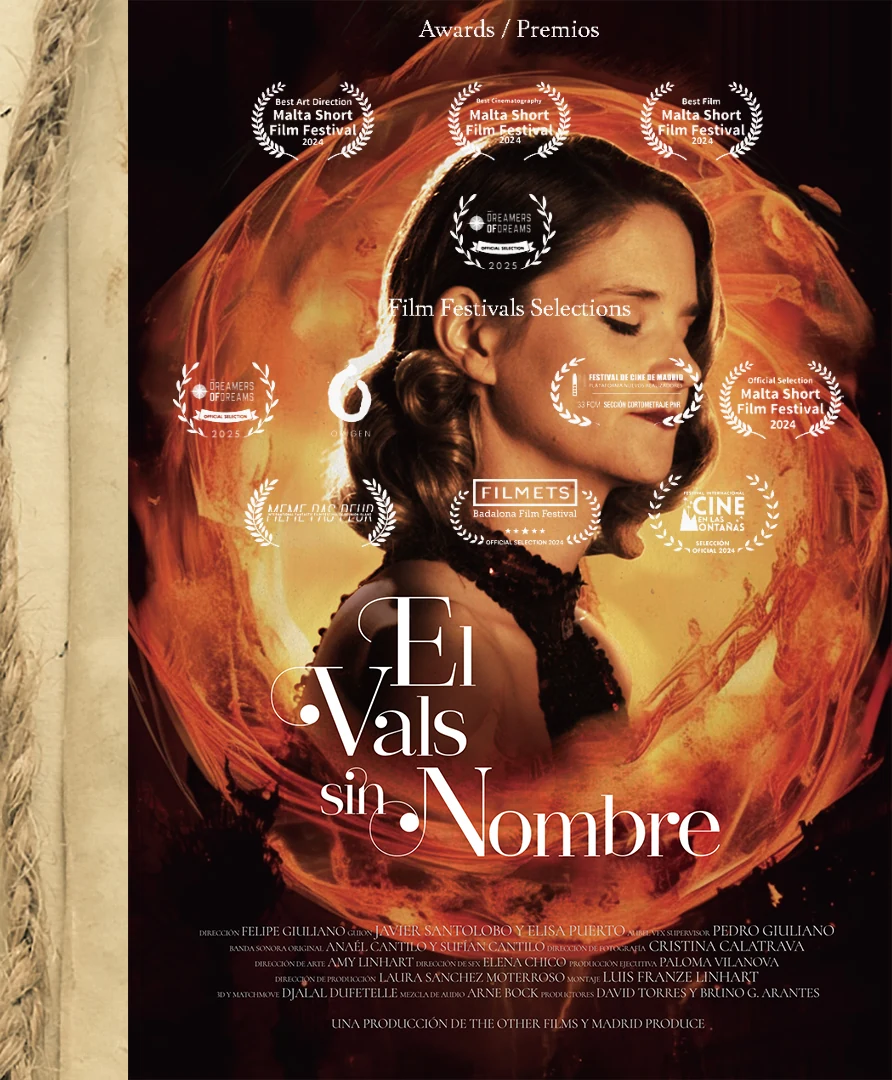
He was the visual effects compositor on El vals sin nombre, directed by Felipe Giuliano. His digital compositing work brought together filmed footage, 3D elements and environments created for the short film.
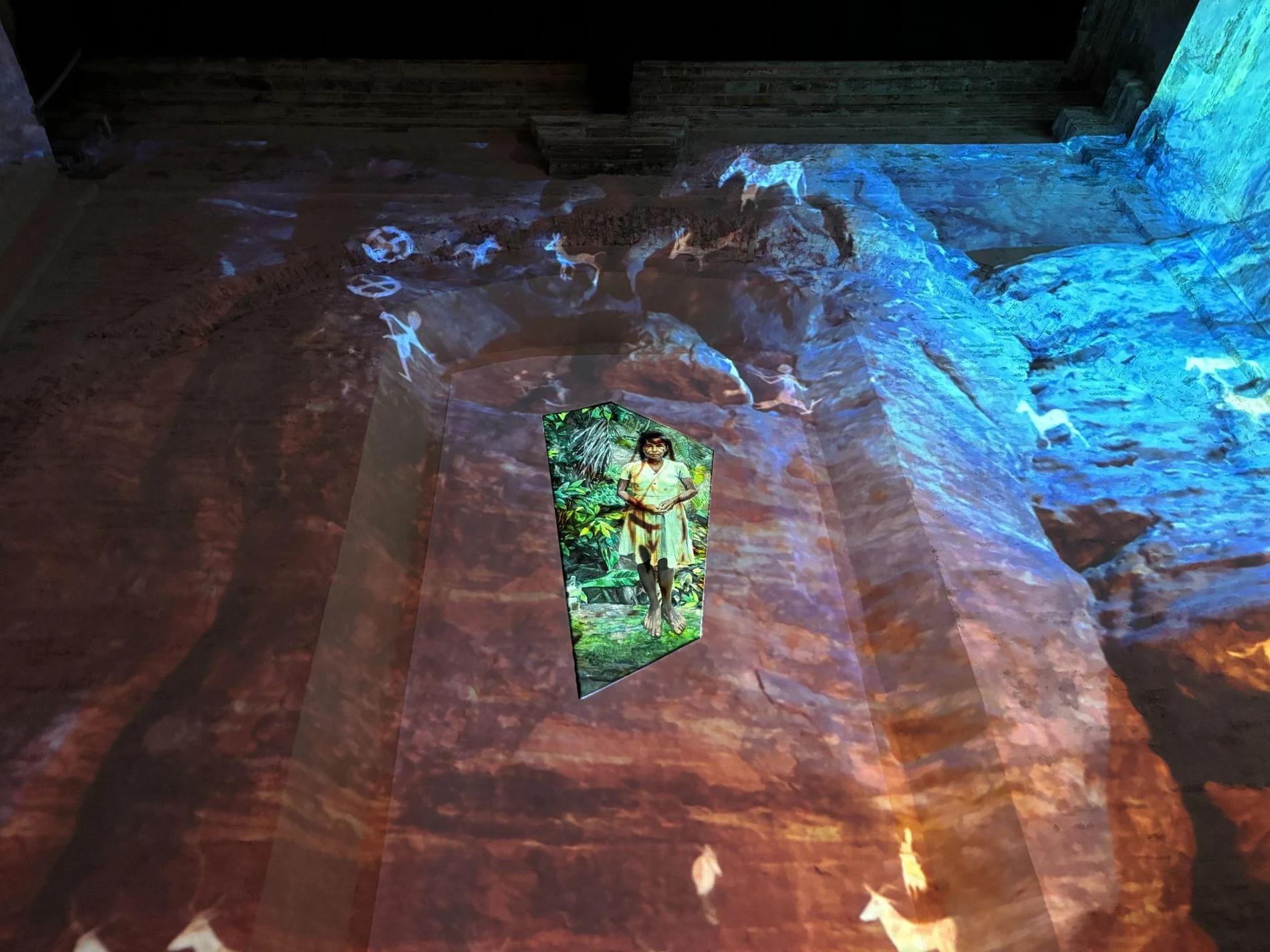
Zarzuela Monumental takes his work into architecture and public space. The Hispanidad edition in San Lorenzo de El Escorial credits him with projection mapping, under Felipe Giuliano’s artistic direction. Projections form part of a lyrical programme on the town hall façade, bringing music and image together on a different scale.[4][5]
In November 2025, he joined Bruno G. Arantes, Djalal Dufetelle and Felipe Giuliano on the audiovisual development team for Pagliacci at the Teatro del Bicentenario in San Juan. The official programme records this collaboration on Eugenio Zanetti’s production. Opera, dance and installation provide different settings for a recurring practical question: how to give an image space.[6]